Table of Content
- Fire safety inspections
- Preparing for a Fire Safety Inspection
- Use Extension Cords Appropriately
- No blockage to fire exits and other egress points
- Test Exit Signs and Directional Lighting
- When Water-Fire-Storm Damage Happens in Sweet Home, We're Ready.
- How Can One Address Hidden Damages After Flood Damage in Little Rock Homes?
- Store Flammable and Combustible Materials Properly
In every room designated for assembly, post a permanent sign declaring the maximum occupancy of that room. This sign should be clear and legible and posted conspicuously near the main exit doorway. Make sure computers are plugged into surge protectors with built-in circuit breakers. These “power taps” as the code calls them must be plugged directly into a wall outlet. Incompatible materials — for example, ammonia and bleach, which combine to form potentially toxic fumes — must be separated. Typically, they must be at least 20 feet away from each other, or separated with a noncombustible partition that extends at least 18 inches above and beyond the incompatible substances.

If fire extinguishers in these areas are rated 80-B or 80-C or higher, the maximum travel distance must be less than 50 feet. In areas of moderate hazard, the minimum extinguisher rating is 10-B or 10-C. If fire extinguishers in these areas are rated 20-B or 20-C or above, the maximum travel distance must be less than 50 feet. If fire extinguishers in these areas are rated 10-B or 10-C or above, the maximum travel distance must be less than 50 feet. For example, the International Fire Code is used in 42 states and the District of Columbia.
Fire safety inspections
Areas of non compliance are documented by the Fire Inspector and require a re-inspection to ensure compliance with the code requirements. Whether these systems are installed either by regulation or voluntarily often they are left to sit dormant. The leading reason for sprinkler system failure is a closed control valve. Shutting off the valve to the fire sprinkler systems stops the fire sprinkler system from performing. Little effort is required to verify that if a valve is open and NFPA 13D provides some installation requirements to help prevent a closed control valve.
Throughout the building, post signage indicating the best escape pathways to exits. Extension cords should be in good condition, intended for heavy-duty use, grounded, and used temporarily only with small appliances. If there are multiple appliances plugged into a surge protector, it must be a power strip with built-in circuit breakers. Powering a room full of laundry machines with an extension cord, for instance, is a fire code violation.
Preparing for a Fire Safety Inspection
And, they can rest easy with a building, business, employees, customers, and guests protected against fire. Make water accessible by ensuring that fire hydrants are clearly marked and available. Fire hydrants must have 3 feet of clear space on all sides for firefighter access. Prohibiting personal and company vehicles from parking near and blocking fire hydrants is imperative. Additionally, ensure the fire department connection that allows firefighters to supply water to a sprinkler system is also clearly marked and accessible.
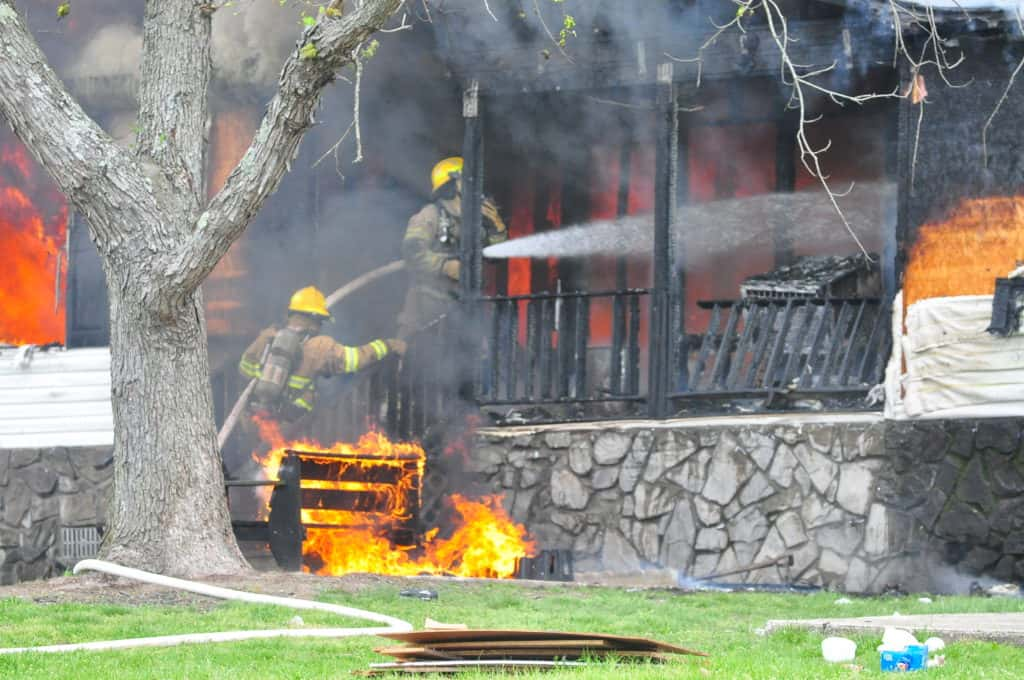
Finally, businesses should make sure that firefighters and emergency personnel can easily locate and enter the building. They can do so by displaying the building address prominently , clearing fire lanes, and ensuring access to fire hydrants and building keys. If the Fire department has a “lock Box” program make sure that any changes made to the keys for the facility are also reflected in this box as well. This could require a call to the fire dept. but most will be glad to stop by if you are being proactive in maintaining the access for them. No matter how well you have worked preparing for a fire safety inspection, however, an inspector may find a violation. If that occurs, business owners and managers should be ready to talk to the inspector about the timeline for making corrections.
Use Extension Cords Appropriately
To ensure that employees and guests escape safely from a fire, businesses should install and maintain directional exit lighting and illuminated exit signs. These features allow people to quickly locate the nearest means of egress. Use this fire marshal inspection checklist to conduct internal checks of schools for fire risks. Inspect the exterior, fire protection equipment, exits, classrooms, special-use rooms, hallways and lobbies, assembly areas , custodial, boiler room, and other points of focus. For this digitized checklist, any item with a “No” answer may need to be corrected before the fire marshal inspection. The scope of these inspections is identifying obvious fire hazards (i.e. electrical cords, combustible storage, blocked exits and hazardous conditions).
Always be aware of the current occupancy in establishments to prevent exceeding the allowed occupancy. The company that provides inspection services should be able to complete or coordinate installation and and repair services to make sure everything is working correctly. This company should also provide detailed documentation of any problems and their solutions. Many companies can perform several aspects of ITM at once, including checking emergency lighting, exit signs, fire extinguishers, Sprinkler systems, and fire alarms.
No blockage to fire exits and other egress points
Typically, combustible materials must be stored a certain distance from the ceiling in approved containers that are in good condition. Store flammable and combustible materials in amounts that do not exceed the maximums set by each state. Do not store them in rooms where heat is produced, such as boiler rooms and electrical rooms. Additionally, do not keep them near appliances such as coffeemakers, microwaves, stoves or ovens, portable heaters, or any other heat-producing electronic devices.
NFPA 13D annex section A.12.2 provides the homeowner with some guidance on how to maintain their system such as. According to national codes, all buildings must give firefighters safe and immediate access. Most businesses comply with this code by mounting fire department lock boxes on their buildings’ exteriors. In an emergency, the fire department can open the lock boxes by using a master key.
Collect the necessary paperwork to prove that licensed professionals have serviced fire alarms, fire extinguishers, sprinkler systems and fire pumps within the required timeframe. Depending on the type of system, fire alarms are typically serviced either annually, semiannually or quarterly. Businesses using class A fire extinguishers must place enough of them so that the distance any person in the building must travel to reach a fire extinguisher is less than 75 feet. Additionally, in areas of low hazard occupancy, each fire extinguisher should cover an area of no more than 3,000 square feet per the extinguisher’s A rating. For all commercial operations, one of the most important fire safety requirements is to provide and maintain a specific number of fire extinguishers for combating fires. The number and location of fire extinguishers required in a building depends on the type of extinguishers used.
In the kitchen, cooking appliances should have hoods and hood suppression systems for automatic suppression of kitchen fires. This fire inspection checklist can be downloaded for free and as PDF just like the other iAuditor checklist templates. Use smart logic to inform property managers and safety officers of potential points of focus that the fire department may need to know if non-compliant. Maintain safety systems with the help of reputable, licensed contractors.
These letter classifications refer to the kind of materials it can extinguish. Exit signs and emergency lights must work properly, both on regular power and backup power. Most exit signs and emergency lighting systems should have battery backups. Properly functioning lights and signage are crucial and allow employees to escape the building in case of fire.
Non-compliance of requirements are subject to citation and legal action. Call or email us today to get started in preparing for a fire inspection. Near the elevators, post a sign as a reminder to use the stairs, not the elevator, in case of an emergency. Another common issue found in residences is the use of flexible cords and cables in place of fixed wiring.


No comments:
Post a Comment